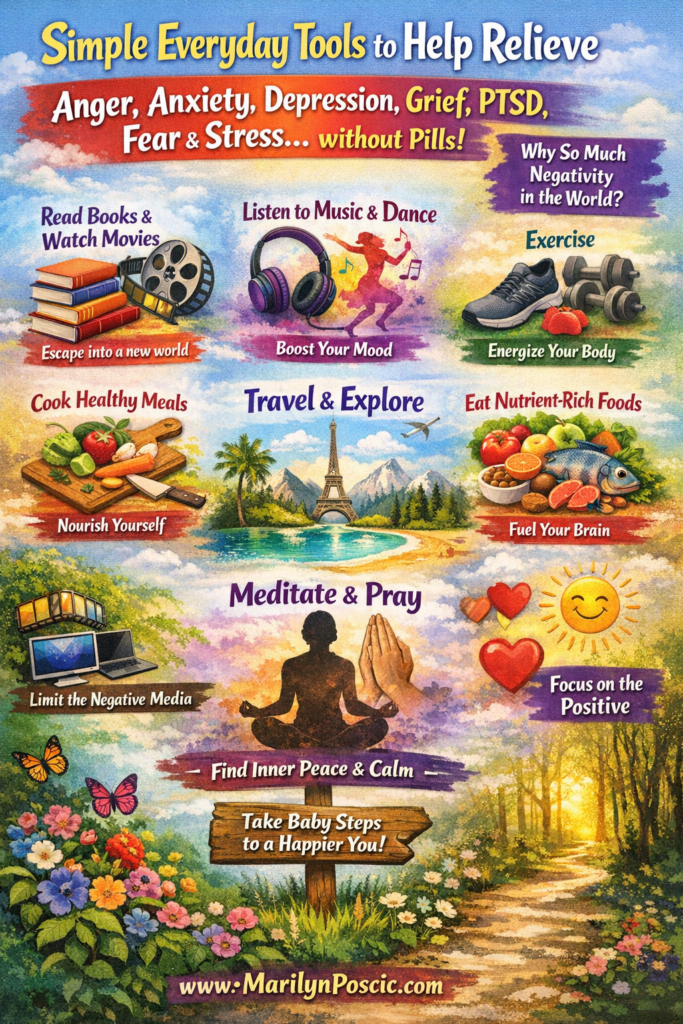
Why is there so much negativity in the world? Are you feeling angry, anxious, depressed, stressed? Have you ever stopped to really figure out why? Do you really want to over come all of this negativity or have you become use to it and find you are comfortable living with all of the doubt and fear? If this is your answer, read no further as you will not find any of these tools helpful. However, if you have decided enough is enough and you truly want to move out of this dark depressing veil, then by all means continue to read on and take baby steps to your wellbeing! Please keep in mind, this negativity did not happen overnight and likely will not disappear overnight. Take baby steps and remember to breath DEEPLY!
I feel why so many are suffering now, we have more access to everything happening in the world by means of TV, internet, and social media. I feel more and more people of power and wealth are lying more than ever to keep us in fear so they can remain in control. Unfortunately, the news media pries on negativity as most people will be more controlled through fear and will remember the bad before to good. Just human nature. First thing that can truly help you is limit all this media. Post things or read and watch things that are uplifting. I post almost everyday on all of the social media platforms that make me smile as well as inspire or educate me.
Now let’s move on to tools you already have at home that can only take a few minutes to hours to help you. Of course, my first go to would be to meditate and pray. However, if I mentioned this now you would probably quit reading, right? So let’s move on!
Did you know;
- Studies show reading fiction for just 5 minutes can cut stress by nearly 20%, and reading overall can reduce stress by up to 68%, making movies and books powerful tools for mental escape by engaging your brain in another world, offering a beneficial break from real-life troubles. Immersive stories shift your focus, allowing your mind to disengage from stressors, much faster than music or tea by transporting you to different realms provides a mental vacation, offering a fresh perspective when you return. Movies and books evoke real brain responses, making the fictional experience feel real and helping you process emotions safely.
- Listening to music, dancing and singing significantly reduce life’s troubles by lowering stress hormones, boosting mood-lifting endorphins, improving emotional regulation, distracting from worries, and fostering social connection, acting as a powerful tool for managing anxiety, depression, and promoting overall mental resilience. These lowers cortisol, heart rate, and blood pressure; helps you recover faster from stress; provides an escape. Activates the brain’s emotional center (limbic system) to help process big feelings like sadness or anger. Improves focus, memory, and mental alertness, keeping the brain active making you feel more relaxed, happy, or energized.
- Exercise significantly reduces life’s troubles by lowering risks of major diseases (heart disease, cancer, diabetes), boosting mental health (reducing depression/anxiety), improving brain function (focus, memory), increasing energy, enhancing sleep, and extending lifespan by years, with benefits seen even if starting later in life. Reduces symptoms of depression and anxiety by releasing mood-lifting neurotransmitters (dopamine, serotonin). Improves concentration, memory, and motivation, working similarly to some ADHD meds. Promotes neuroplasticity, helping the brain form new connections.
- Cooking significantly reduces life’s troubles by acting as therapeutic self-care, boosting mental health through focus, creativity, and accomplishment (reducing anxiety/depression). It improves physical health via better nutrition and provides structure and control, combating feelings of helplessness and enhancing self-esteem, while also offering financial relief compared to eating out. It’s a mindful practice that builds confidence, fosters connection, and provides a sense of purpose. Rhythmic chopping and focused tasks offer a meditative, grounding experience, shifting focus from worries to the present moment. Completing a recipe provides tangible accomplishment, fostering pride and a sense of control, especially during difficult times. Experimenting with flavors stimulates the brain, promoting personal growth and enthusiasm. Preparing food for oneself is an act of self-care.
- Food helps with depression and stress by providing essential nutrients (vitamins, minerals, healthy fats, protein) that support neurotransmitter production (like serotonin), reduce inflammation, stabilize blood sugar, and promote a healthy gut-brain axis, with benefits seen from fruits, veggies, fatty fish, whole grains, and probiotics, while limiting sugar and caffeine helps avoid mood crashes. Omega-3s (Fatty Fish, Nuts, Seeds): Reduce inflammation and support brain function, linked to lower depression. Fruits & Vegetables (Berries, Leafy Greens): Provide antioxidants (Vitamins C, E, Folate) to combat stress and support mood, plus fiber for gut health. Lean Proteins (Poultry, Fish): Contain Tryptophan, which the body converts to serotonin, a mood-regulating neurotransmitter. Complex Carbs (Whole Grains, Oats): Offer steady energy and promote stable serotonin release, unlike sugary spikes. Probiotics (Yogurt, Fermented Foods): Support the gut-brain connection, with a healthy gut linked to better mental health. Vitamins & Minerals (Magnesium, B Vitamins, Vitamin D, Zinc): Regulate stress, support neurotransmitters, and fight inflammation.
- Travel helps with anxiety, grief, depression and stress by offering a change of scenery to break routines, providing headspace to process emotions in a new environment, fostering resilience and new perspectives, and allowing for structured support (like group trips) or peaceful solitude in nature, acting as a physical and mental reset to navigate loss and find moments of joy or remembrance. It shifts focus from painful reminders to new experiences, which can soothe the nervous system and help you rebuild a life that includes the loss. New sights, sounds, and challenges engage your brain, build new neural connections, and provide a healthy distraction, helping with cognitive functions. Navigating a new place, even with small risks, can restore a sense of autonomy and capability, showing you that you can still function and find happiness. Peaceful natural settings (forests, beaches) offer gentle focus and calm, helping to soothe your nervous system.
- And finally, meditation and prayer! Meditation and prayer help anxiety, depression, and stress by activating the body’s relaxation response, shifting focus from negative thoughts, improving emotional regulation, and fostering a sense of peace, hope, and connection, reducing worry, improving mood, and calming the nervous system through deep breathing, mindfulness, and spiritual surrender. Both practices retrain the brain to be less reactive to stressors and promote positive emotions, offering mental and physical benefits by reducing cortisol, lowering heart rate, and building resilience. Calms the Stress Response: Promotes deep relaxation, reducing physiological signs of stress like rapid heart rate, sweaty palms, and racing thoughts. Teaches you to notice anxious/depressive thoughts without engaging, creating distance and reducing rumination (overthinking). Builds skills to manage intense emotions, leading to healthier responses to challenges and better focus. Can weaken connections between the “fear center” (amygdala) and the “me center” (prefrontal cortex) often overactive in depression.
I hope these simple and easy tips helps you to a speedy and full recovery of your emotional and mental negativity, Remember, baby steps. Choose the one(s) that resonate with you first and happy healing!!!